User Experience Design (UX Design) refers to the process of improving user satisfaction by enhancing usability, ease of access, and making the interaction between the user and the product enjoyable. Unlike User Interface Design (UI), which focuses on visual appearance, UX design deals with the structural, logical, and behavioral aspects of the product. The main goal of UX design is to deeply understand user needs and design a path that allows them to achieve their goals in the system in the fastest and most logical way possible.
The UX design process begins with user research. By analyzing user personas, identifying pain points, and studying their behaviors, we try to identify the challenges they face in interacting with the product. These insights form the foundation for designing workflows and the product's information architecture.
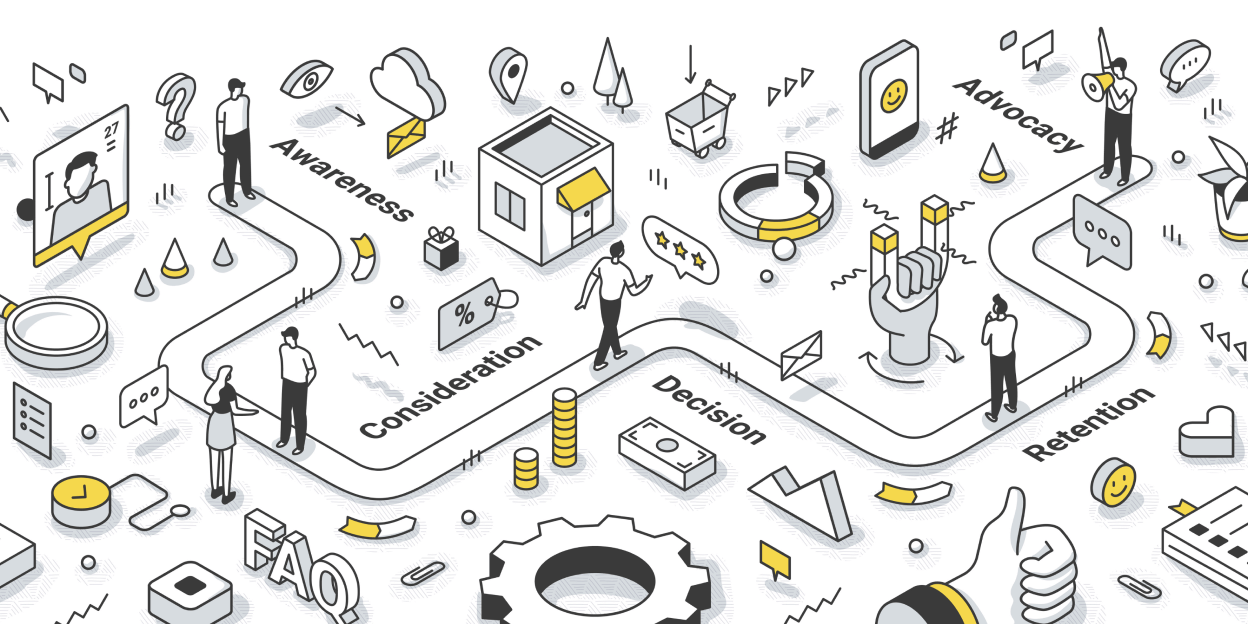
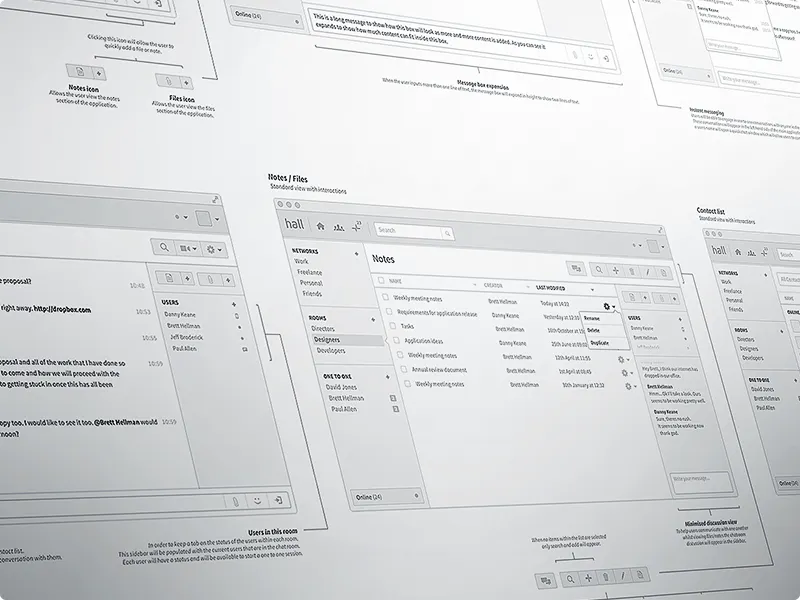
In the next stage, we design the structure and interactive flows. This stage includes creating wireframes, interactive prototypes, and user flow diagrams. By simulating user navigation paths, we identify potential confusion points or dead ends and optimize them. In fact, UX design means predicting user behavior and ensuring that the system is always one step ahead, responsive to their needs.
- User research and persona creation
- Designing Information Architecture
- Creating User Journey Mapping
- Designing and drawing User Flows
- Conducting Usability Testing
Usability testing is one of the most critical parts of UX design. By involving real users and observing how they work with prototypes, we identify weaknesses in design flows. This data-driven approach ensures that design decisions are not based on mental assumptions but on actual user behavior.
Ultimately, the goal of UX design is to increase conversion rate, reduce bounce rate, and ultimately create user loyalty. A product that offers an excellent user experience has a higher user return rate and significantly reduces support and customer training costs in the long term.