Content Management Systems (CMS) enable businesses to create, edit, and publish their website content without depending on the technical team. In today's competitive world, speed in content production and updating is a key advantage, and having an efficient CMS can greatly simplify and optimize this process.
The CMS development process begins with analyzing business needs and the type of content to be managed. From articles and landing pages to products and media, the system structure is designed to be flexible and extensible. Different roles such as admin, author, and editor are also defined so that content management is done in a structured manner.
- Designing a simple and user-friendly management panel
- Defining user roles and access levels
- Managing various content types (text, image, video, etc.)
- Content categorization and tagging system
- Scheduling publishing and editing capability
One of the most important success factors of a CMS is its user experience (UX). If the management panel is complex, even powerful capabilities will remain unused. For this reason, we place special focus on designing a simple, fast, and understandable user interface so that non-technical users can easily work with the system.
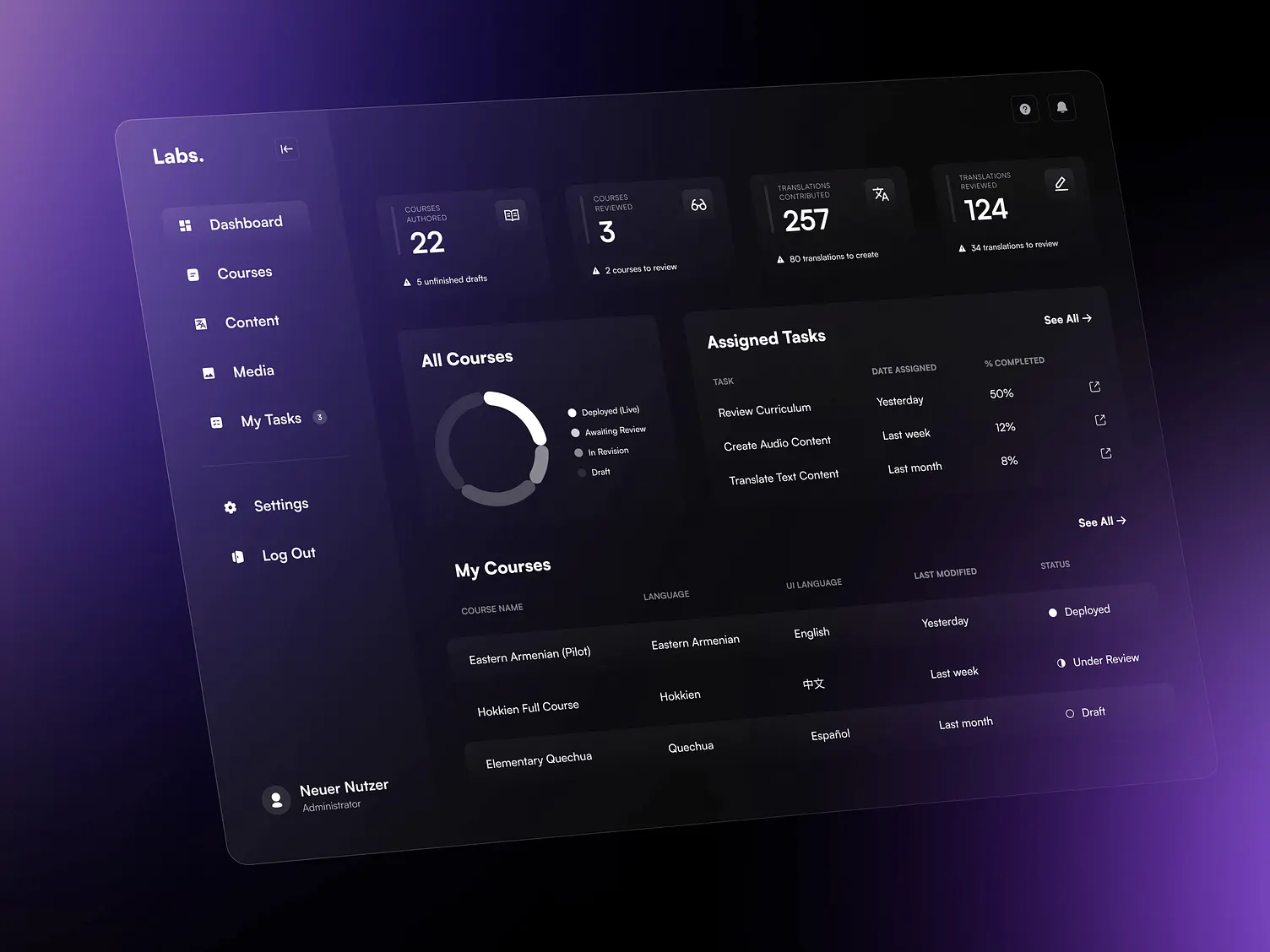
Alongside the user interface, the CMS technical infrastructure is also very important. SEO optimization, loading speed, security, and the ability to connect to other systems such as CRM or marketing tools are among the aspects considered in CMS development. This makes the system not only functional but also technically reliable.
Depending on project needs, the CMS can be developed custom or customized based on ready-made systems. In custom projects, the focus is on complete flexibility and precise adaptation to business processes, while in ready-made solutions, implementation speed and cost reduction are more important.
The ultimate goal of CMS development is to give full content control to the business, reduce dependency on the technical team, and increase the speed of executing content strategies. This ultimately leads to improved SEO, increased user engagement, and business growth.