Feature needs assessment and analysis is one of the most critical stages in the product development lifecycle. At this stage, the focus is on deeply understanding the problem the product is meant to solve, not merely building a set of capabilities. Many projects fail because they enter the development phase before properly understanding market needs. At this stage, with an analytical and data-driven approach, we identify the gap between the real user need and the proposed solution, and prevent raw ideas from being turned into unnecessary features.
The needs assessment process begins with analyzing the overarching business goals. In this section, we determine exactly what role the product plays in the revenue model, competitive advantage, and organizational growth. Then, by conducting structured interviews with stakeholders, analyzing user behavior, reviewing existing data, and studying the market, functional and non-functional requirements are extracted. Non-functional requirements include aspects such as scalability, security, speed, and user experience, which are often overlooked but have a direct impact on product success.
- Analyzing user personas and defining real usage scenarios
- Extracting User Stories and converting them into an initial Backlog
- Separating Must-have, Should-have, and Nice-to-have requirements
- Analyzing technical constraints and available resources
- Identifying potential product risks
After the initial extraction of requirements, the prioritization phase begins. In this section, we use frameworks such as MoSCoW, RICE, or the Value vs Effort Matrix to determine which feature creates the most value at the lowest cost. This data-driven decision-making ensures that development resources are used optimally and the team focuses on capabilities that have the greatest impact on key performance indicators (KPIs).
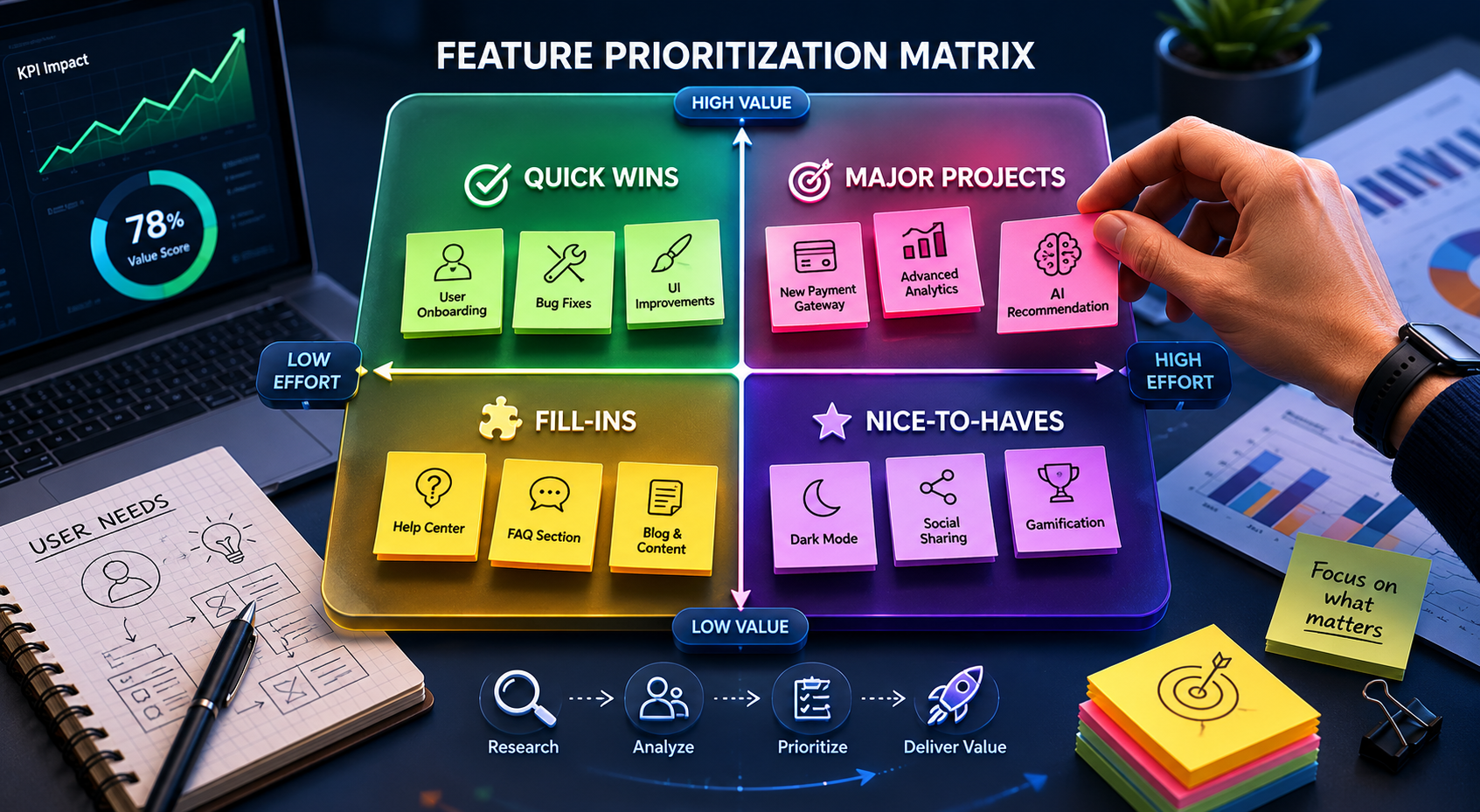
One of the important outputs of this stage is the creation of a Product Requirements Document (PRD). This document includes a precise definition of each feature, acceptance criteria, dependencies, and success metrics. Having such a document reduces ambiguity between design, technical, and business teams and prevents costly rework. Additionally, having a clear and prioritized backlog enables accurate sprint planning.
In professional projects, needs assessment is not just an initial stage but an iterative process. By receiving user feedback, analyzing behavioral data, and reviewing the results of initial versions (MVP), the feature list is dynamically updated. This agile approach helps the product remain aligned with market needs and prevents the accumulation of low-utility capabilities.
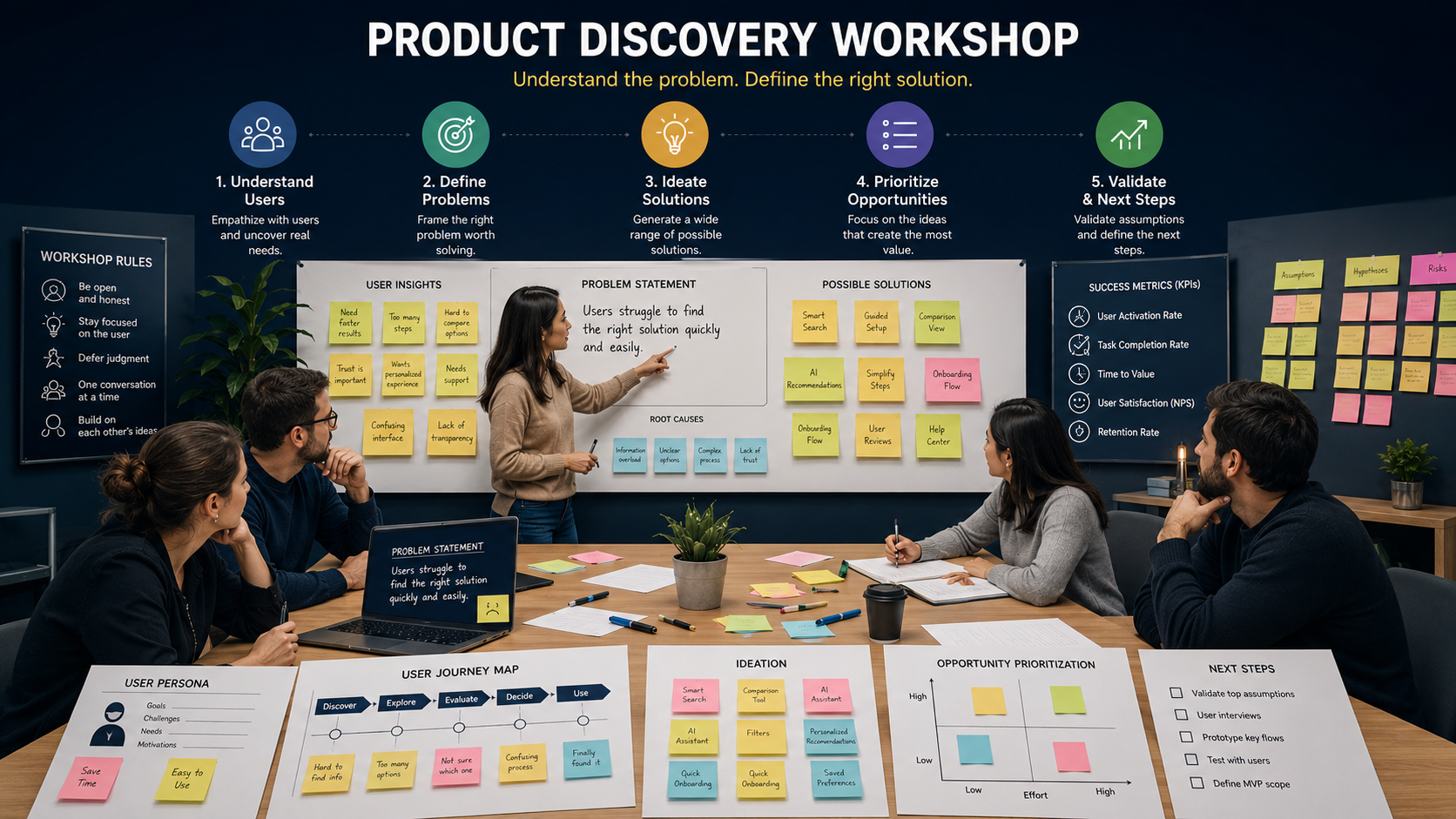
Ultimately, the goal of needs assessment and feature analysis is to create strategic clarity. This stage ensures that every line of code written is aimed at solving a real problem and creating tangible value for the user. The result of this approach is reduced development costs, faster time to market, and improved product adoption rates.